Key Questions Answered
Q1. Is tuberculosis common in older adults?
Answer: Yes. TB can affect people at any age, but older adults deserve special attention. Globally, about 12% of notified TB patients are aged over 64 years. In older people, TB may also be related to reactivation of an infection acquired many years earlier, particularly when immunity declines with age.
Q2. Why is TB sometimes missed in older people?
Answer: Because TB may not present in the classical way. Persistent cough, fever and sputum may be absent or less prominent. Instead, an older person may present with unexplained weight loss, poor appetite, weakness, fatigue, breathlessness, low-grade fever, reduced activity or even confusion and functional decline. These symptoms may easily be attributed to “old age” or another existing illness.
Q3. What makes diagnosis particularly difficult in the elderly?
Answer: Older adults frequently have several health problems at the same time—such as diabetes, COPD or other chronic lung disease, chronic kidney disease, heart disease or malnutrition. Their symptoms may overlap with TB, making the diagnosis more difficult. Multiple medicines can also complicate treatment because of possible drug interactions and adverse effects.
Q4. Can TB occur outside the lungs in older adults?
Answer: Yes. TB can involve lymph nodes, bones and joints, abdomen, spine, brain and other organs. Therefore, the absence of a typical chest presentation does not exclude TB.
Q5. What warning signs should make a family or doctor think about TB?
Answer: Particular attention should be paid to unexplained weight loss or loss of appetite, persistent fever or night sweats, cough lasting more than two weeks, unexplained breathlessness, unexplained anaemia, new abnormalities on chest imaging, a previous history of TB or contact with a TB patient, or poor response to routine treatment.
The important principle is: do not automatically attribute persistent or unexplained symptoms to ageing. Think of TB when the clinical picture warrants it.
Q6. Does every older person need to be screened for TB?
Answer: Not necessarily. Screening should be guided by risk and clinical assessment. WHO recognizes older age, particularly when accompanied by other TB risk factors, as a group in which screening may be considered. A high index of suspicion is especially important in older adults with diabetes, chronic lung disease, undernutrition, previous TB or significant exposure to a person with TB.
Q7. How is TB diagnosed in an older person?
Answer: Diagnosis should be based on the clinical picture and appropriate investigations. Depending on the presentation, these may include chest imaging, sputum testing with rapid molecular tests such as Xpert MTB/RIF, culture and drug-susceptibility testing, or investigations of extra-pulmonary sites when indicated. The objective is not simply to suspect TB but to establish the diagnosis as accurately as possible.
Q8. Is treatment of TB more complicated in older adults?
Answer: It can be. Older patients may have reduced physiological reserve, multiple diseases and several medications. They may also be more vulnerable to adverse drug reactions and treatment interruptions. Therefore, TB treatment in an older adult should be individualized, monitored carefully and integrated with management of co-existing illnesses.
Q9. What can families do to help an older person with TB?
Answer: Family support is extremely important. Ensure that medicines are taken regularly, appointments and investigations are not missed, nutrition is maintained and adverse symptoms are reported promptly. Emotional and practical support can make a major difference to treatment adherence.
Dr S K Arora’s Take-Home Message :
Ageing is natural. TB is not.
Persistent weakness, weight loss, loss of appetite, fever, cough or unexplained decline in an older person should not simply be dismissed as ageing. Early recognition, appropriate testing and timely treatment can prevent severe disease and save live.
End Tobacco → End TB → Save Lives
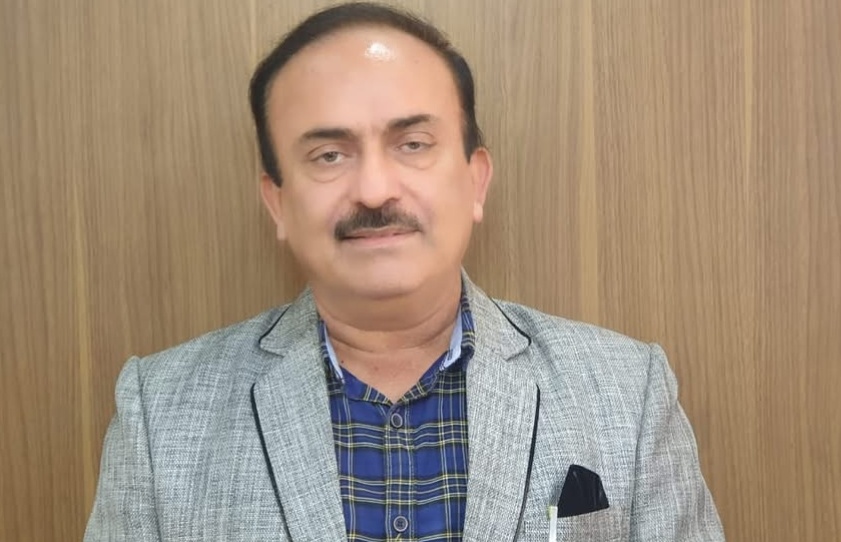
Dr S K Arora
WHO Awardee | Senior Chest Specialist | TB Expert | Tobacco Control Advocate | Public Health India