Key Questions Answered
Q1. Are healthcare workers at increased risk of TB?
Answer: Healthcare workers may have repeated exposure to patients with TB, particularly in hospitals, TB clinics, laboratories and other healthcare settings. When infectious TB is not recognized promptly, occupational exposure may increase. WHO considers TB infection prevention and control in healthcare facilities an important component of reducing transmission.
Q2. Do we have any data on TB among healthcare workers?
Answer: Yes. The WHO Global Tuberculosis Report 2025 reported that 18,849 healthcare workers from 63 countries were diagnosed with TB in 2024. This should not be interpreted as the actual global number of healthcare workers who developed TB, because reporting is incomplete and varies between countries.
A 2024 systematic review and meta-analysis of 10 Indian studies estimated a pooled TB prevalence among healthcare workers of 2,391.6 per 100,000, or approximately 2.4%. This is a pooled estimate from available studies and should not be interpreted as India’s annual incidence of TB among healthcare workers.
Q3. Which healthcare workers need particular attention?
Answer: Doctors, nurses, laboratory personnel, radiology staff, ward attendants, technicians, community health workers and other healthcare and support staff—particularly those who have regular contact with TB patients—should consistently follow appropriate infection-prevention measures.
Q4. What factors can increase occupational TB exposure in healthcare facilities?
Answer: Delayed recognition of infectious TB, inadequate ventilation, overcrowding, prolonged exposure to infectious patients and inadequate respiratory protection can increase occupational exposure. An Indian study found frequent patient contact and employment in certain high-exposure clinical areas to be associated with increased risk of acquiring TB.
Q5. How can healthcare facilities reduce TB transmission?
Answer: Important measures include early identification of people who may have TB, appropriate clinical precautions, adequate ventilation, appropriate respiratory protection and consistent implementation of TB infection-control practices. These measures protect not only healthcare workers but also patients, families and visitors.
Q6. Does every healthcare worker need to wear an N95 mask all the time?
Answer: Respiratory protection should be based on the situation and occupational risk. Appropriate respiratory protection is important when healthcare workers are exposed to patients with suspected or infectious TB. Institutional infection-control policies and applicable national or international guidance should determine its appropriate use.
Q7. Should healthcare workers ignore TB symptoms because they are medical professionals themselves?
Answer: Certainly not. Persistent cough, fever, night sweats, unexplained weight loss, poor appetite or prolonged unexplained fatigue should not be ignored. Healthcare workers should seek appropriate medical evaluation rather than self-diagnosing or starting treatment themselves.
Q8. Is TB screening relevant for healthcare workers?
Answer: Depending on occupational exposure, symptoms, risk assessment and institutional policy, screening and clinical evaluation may have an important role. The objective is early identification of TB and prevention of further transmission.
Q9. What responsibility does a healthcare institution have?
Answer: Healthcare institutions should prioritize TB infection prevention and control. This includes administrative measures, environmental controls such as adequate ventilation, appropriate respiratory protection, healthcare-worker training and timely evaluation of workers who may have been exposed or who develop symptoms.
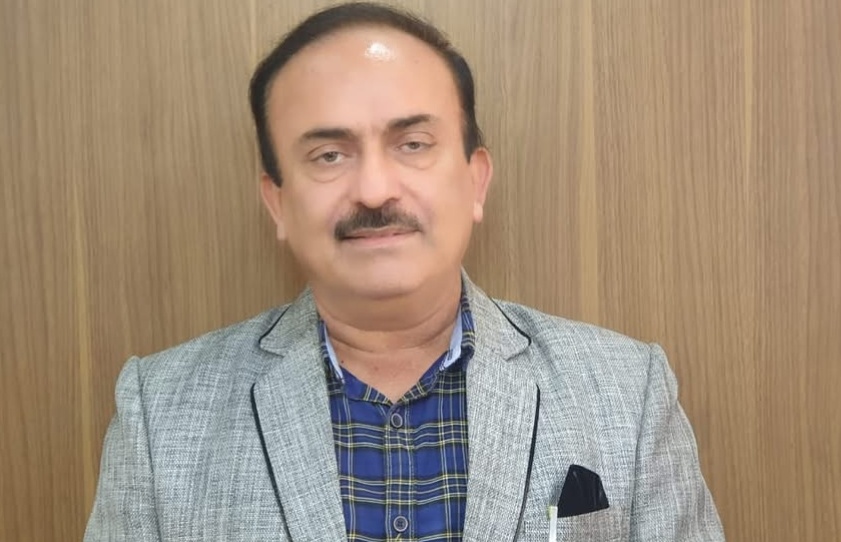
Dr S K Arora’s Take-Home Message :
“Healthcare workers who protect the lives and health of others also deserve protection themselves. Early recognition of TB, appropriate infection-control measures, adequate ventilation and respiratory protection when indicated can help reduce occupational exposure. Do not ignore symptoms that
End Tobacco → End TB → Save Lives
Dr S K Arora
WHO Awardee | Senior Chest Specialist | TB Expert | Tobacco Control Advocate | Public Health India