Smoking: An Additional Risk, We Can Prevent
Key Questions Answered
Q1. What is the connection between TB and air pollution?
Answer: Tuberculosis (TB) is an infectious disease caused by Mycobacterium tuberculosis. Air pollution is not the direct cause of TB, but research suggests that long-term exposure to polluted air, particularly fine particulate matter, may be associated with an increased risk of developing TB. Both can affect respiratory health and create an additional burden for vulnerable populations.
Q2. Which air pollutants are particularly harmful to our lungs?
Answer: Fine particulate matter, especially PM2.5, is a major concern because these tiny particles can penetrate deep into the lungs. PM10, vehicle emissions, industrial pollution, construction dust and smoke from burning fuels can also affect respiratory health.
Q3. Can air pollution increase the risk of developing TB?
Answer: Research has found an association between long-term exposure to particulate air pollution and an increased risk of TB. However, pollution does not automatically cause TB. Infection with Mycobacterium tuberculosis, together with individual susceptibility and other factors, determines whether a person develops the disease.
Q4. How does smoking increase the risk of TB?
Answer: Smoking damages the lungs’ natural defence mechanisms and is associated with an increased risk of developing TB disease. It can also adversely affect treatment outcomes. According to WHO’s Global Tuberculosis Report 2025, an estimated 700,000 new TB cases worldwide in 2024 were attributable to smoking.
Q5. Is secondhand smoke also harmful?
Answer: Yes. Secondhand smoke exposes non-smokers to harmful chemicals and particles. Research has also found an association between exposure to secondhand tobacco smoke and TB. Children, older adults and people with existing respiratory conditions deserve particular protection from tobacco smoke.
Q6. Are smoking and air pollution direct causes of TB?
Answer: No. TB is caused by Mycobacterium tuberculosis. The infection usually spreads through the air when a person with infectious TB expels bacteria while coughing, speaking or singing. Smoking and air pollution are potential risk factors that may affect susceptibility and respiratory health; they are not substitutes for the infectious cause.
Q7. Can smoking worsen the outcome of TB treatment?
Answer: Tobacco use is associated with poorer TB outcomes, including a greater risk of unfavourable treatment results and recurrence. People receiving TB treatment should be encouraged and supported to quit tobacco. They should take their prescribed medicines as directed and attend follow-up appointments.
Q8. What symptoms should prompt a person to seek medical evaluation?
Answer: A persistent cough, fever, night sweats, unexplained weight loss, loss of appetite or coughing up blood requires medical assessment. These symptoms do not always mean TB, but appropriate evaluation is important, especially when symptoms persist or worsen.
Q9. How can we protect our lungs from pollution and smoking?
Answer:
- Quit smoking and seek professional support if needed.
- Avoid secondhand smoke and keep homes smoke-free.
- Improve indoor ventilation and reduce indoor smoke from burning fuels.
- Reduce exposure to heavily polluted air where practical and follow local air-quality advisories.
- Follow appropriate respiratory hygiene.
- Seek timely medical evaluation if TB symptoms
Dr S K Arora’s Take-Home Message :
Air pollution is a major environmental challenge, while smoking is an additional risk that individuals and communities can work to reduce. We must protect our lungs through cleaner air, tobacco cessation, early diagnosis and appropriate treatment. People diagnosed with TB should complete their prescribed treatment and follow medical advice. additional risk that individuals and communities can work to reduce. We must protect our lungs through cleaner air, tobacco cessation, early diagnosis and appropriate treatment. People diagnosed with TB should complete their prescribed treatment and follow medical advice.
End Tobacco → End TB → Save Lives
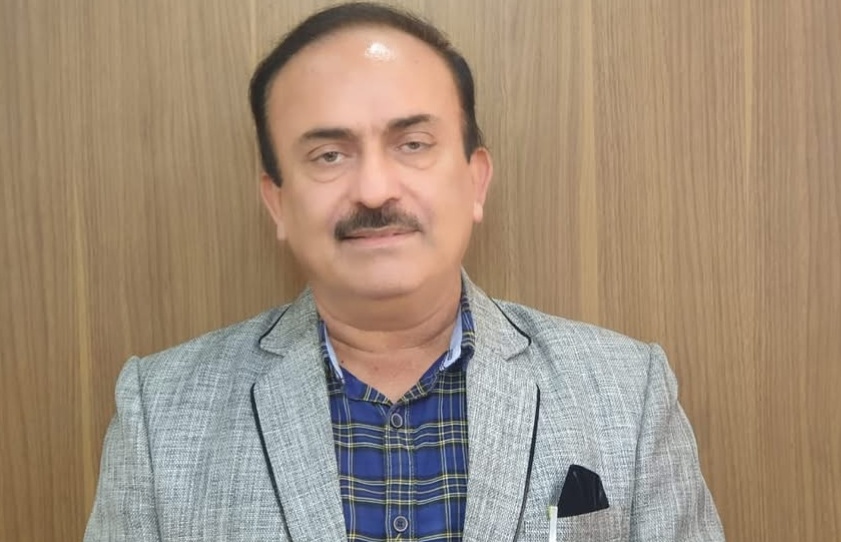
Dr S K Arora
WHO Awardee | Senior Chest Specialist | TB Expert | Tobacco Control Advocate | Public Health India