Key Questions Answered
Q1. Can tuberculosis (TB) come back after successful treatment?
Ans. Yes. TB can recur even after a person has successfully completed treatment and been declared cured or treatment completed. However, recurrence does not necessarily mean that the earlier treatment failed.
Q2. How common is recurrent TB?
Ans. A systematic review of 145 studies estimated the pooled recurrence rate at about 2.26 per 100 person-years. The rate varied considerably between settings, from about 1.47 per 100 person-years in low-incidence settings to 4.10 per 100 person-years in high-incidence settings.
An Indian multicentre study found recurrence in 158 of 1,210 people who had achieved treatment success. This was a study-specific finding and should not be interpreted as a national recurrence rate for India.
Q3. Does recurrent TB mean that the previous treatment was unsuccessful?
Ans. Not necessarily. Recurrence may occur because of relapse or reinfection both. So it’s difficult to say without proper investigation.
Q4. Who may have a higher risk of TB recurrence?
Ans. Risk may be higher in people who had incomplete or interrupted treatment, drug-resistant TB, HIV infection, diabetes, undernutrition or other conditions affecting immunity. Tobacco use can also adversely affect TB outcomes.
Q5. What symptoms should a previously treated TB patient watch for?
Ans. Persistent or worsening cough, fever, night sweats, unexplained weight loss, loss of appetite, fatigue or other symptoms similar to the earlier illness should not be ignored.
Q6. Does every cough after TB treatment mean that TB has returned?
Ans. No. Some patients may have residual lung damage or other respiratory conditions after TB treatment. But persistent, recurrent or worsening symptoms require medical evaluation, particularly in someone with a previous history of TB.
Q7. Should a person restart the old TB medicines if symptoms return?
Ans. No. Treatment should not be restarted on one’s own. Recurrent TB requires appropriate diagnostic evaluation, including bacteriological testing and, where indicated, drug-susceptibility testing, before selecting the appropriate treatment regimen.
Q8. Is follow-up important after completing treatment for drug-resistant TB?
Ans. Yes. WHO’s 2025 operational guidance recommends that people who successfully complete a drug-resistant TB regimen should ideally be monitored for recurrence for at least 12 months.
Dr S K Arora’s Take-Home Message :
Successful completion of TB treatment is an important milestone and most people can return to a normal, healthy life. But if symptoms return, do not ignore them and do not self-medicate. Timely testing, correct diagnosis and appropriate treatment can prevent complications and further transmission.
End Tobacco → End TB → Save Lives
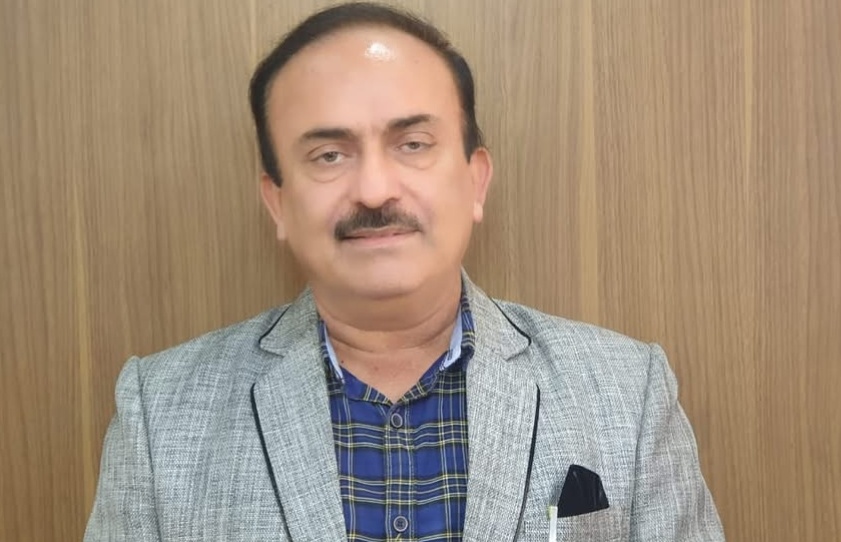
Dr S K Arora
WHO Awardee | Senior Chest Specialist | TB Expert | Tobacco Control Advocate | Public Health India